

Pokémon Go Fest 2026 kicked off this past weekend, summoning thousands of eager Trainers to the seaside suburb of Odaiba in Tokyo Bay.
Over four days, the manmade island was transformed into an interactive event space, with typical shopping districts and parks littered with inflatable Pikachus, live performances, and a host of photo spots. An unfortunate heatwave did its best to disrupt the weekend, with brutal temperatures reaching the dizzying mid-30s and demanding calculated dashes between shady spots.
But that didn't stop the community from showing up in force to catch event-exclusive Pokémon and take part in Unity Raids, a new raid-type which debuted at Pokémon Go Fest: Tokyo, featuring Mega Mewtwo X and Y as their prize.
These raids will appear at Go Fest: Chicago, Go Fest: Copenhagen, and likely at future events too. Here's what to expect from a Unity Raid in Pokémon Go, what we thought of the massive group encounters, plus for subscribers, a rundown of how our Go Fest: Tokyo otherwise went.
Our past experience with Pokémon Go
For some context, we were both keen players when Pokémon Go first kicked off in 2016, but having bounced around the world a lot, from the UK to Australia and now living in Tokyo, we dropped out of regular daily play.
However, we naturally fell back into Pokémon Go with our arrival in Japan. Simply put, it’s hard to ignore here with so many exclusive Pokémon and such a busy augmented reality environment around us in central Tokyo.
We were also keen to engage with the in-game PokeLid Stamp Rally, which has so far taken us to some breathtaking landmarks across the country, offering a compelling excuse to travel off the beaten path and enjoy more of Japan’s natural beauty.
How were Unity Raids organised?
Before setting foot in Odaiba, we both received specific instructions about the Unity Raid a week beforehand (simply referred to as a ‘Super Mega Raid’ in the email), signifying their importance.
Since Go Fest: Tokyo was split into four themed zones - the Cultivation Zone, the Recruitment Zone, the Conservatory Zone, and the Team Go Rocket Hideout - to help manage the onslaught of players, attendees were assigned a specific Zone in which to complete the Unity Raid. We were both assigned to the most open-air part of Odaiba Seaside Park - also known as the shade-less but stunning Cultivation Zone - which offered picturesque views of Tokyo’s iconic Rainbow Bridge, even if we were plonked on a bench and hiding under a UV umbrella.
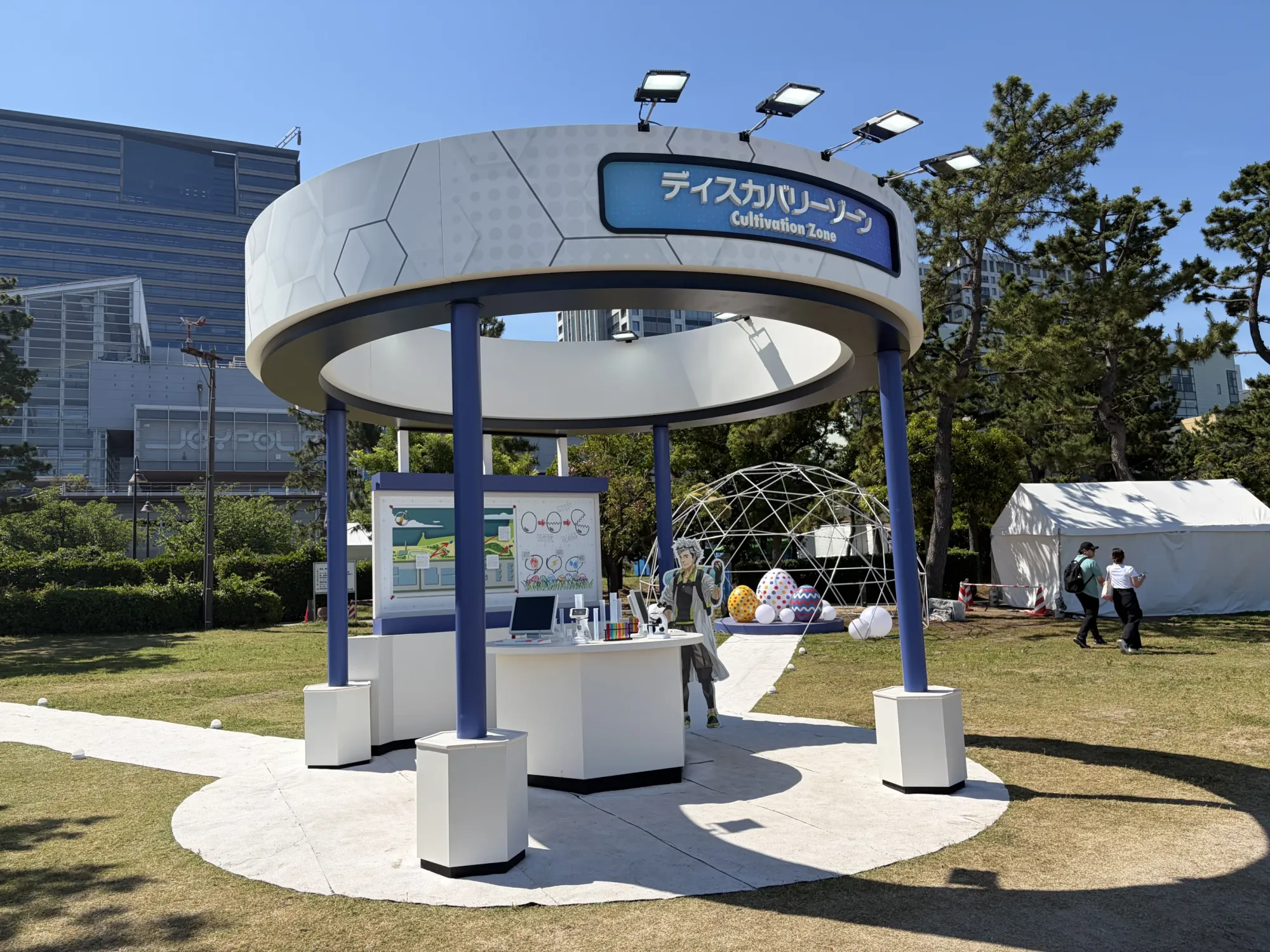
Though Unity Raids took place at the end of the park session, their zone allocations didn't affect raid spots throughout the day, meaning we could jump into battles (usually with Primal Kyogre or Groudon) as we passed by. There was no means to change your zone, but thankfully, for those who bought multiple tickets on one account (as was the case for us) were all assigned the same zone – a clever touch, considering how many families and couples were out enjoying the festivities together.
It wasn’t so important to us as locals, but it helped that the whole event was so clearly signposted, too, with multilingual staff in neon yellow shirts and Pikachu visors dotted around, ready to jump in and point you in the right direction if you found yourself confused.
Each Zone also featured a Support Tent and a First Aid Tent for more serious technical issues, and to address the obvious risk of heatstroke. This informational deluge extended into the app itself, which applied a star icon under the pin for the Unity Raid, so you knew exactly where it would take place. Though, to be honest, that was admittedly quite hard to see with the amount of digital confetti, Pokestops and Lure Modules in play.
How do Unity Raids work, and what were they like?
The big shift at this year’s event was the introduction of a new physical element exclusive to the Unity Raid, which had participants raise their phones in unison towards the end of the battle to power up a move, then swiftly lower them to release the attack and break through Mewtwo’s shield.
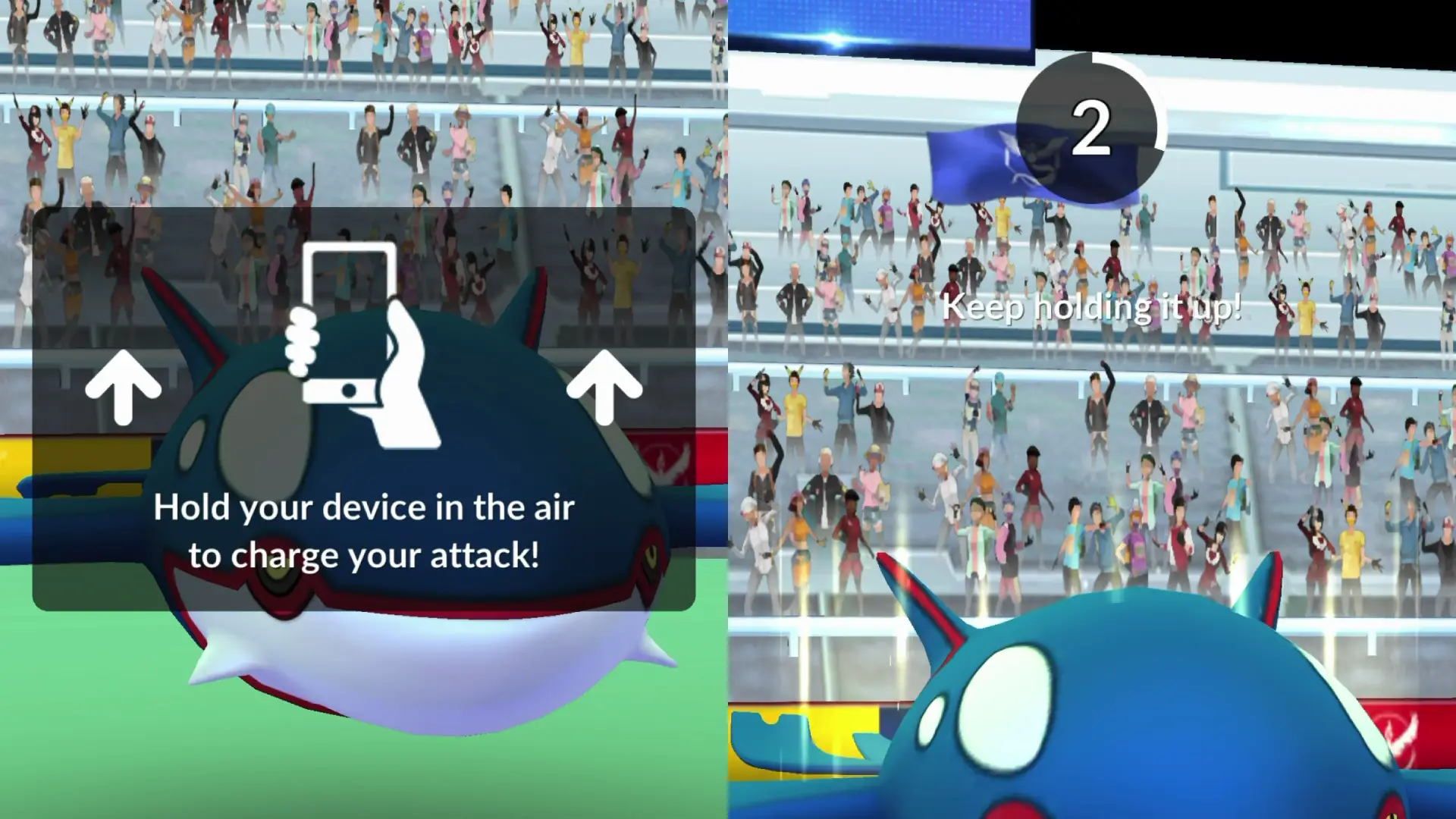
The key differences with Unity Raids are as follows:
- During the last fifth or so of health, players must raise their phones to break through a shield the boss creates (you have to do this twice)
- Despite them technically being 'Super Mega Raids', there are otherwise no shields to break
- You also have to raise your phone after a successful catch
- Pokémon which faint are revived automatically mid-battle
- After the battle, there is no results screen - it immediately goes to the catch phase
- Unity Raids can host hundreds of players at once
While the main addition - having to raise your phone to complete the battle - is simple in theory, this new feature had a surprising impact on the experience, eliciting an audible "Ooohhhh" from the 500 or so other players, providing the raid with a slightly more communal feel.
Watch two Unity Raids as they appear in-game.
While much of the day was spent in quiet solitude, diving between pockets of shade and lining up at vending machines to avoid dehydration, the Unity Raids made the experience feel like a real team event that everyone was congregating for.
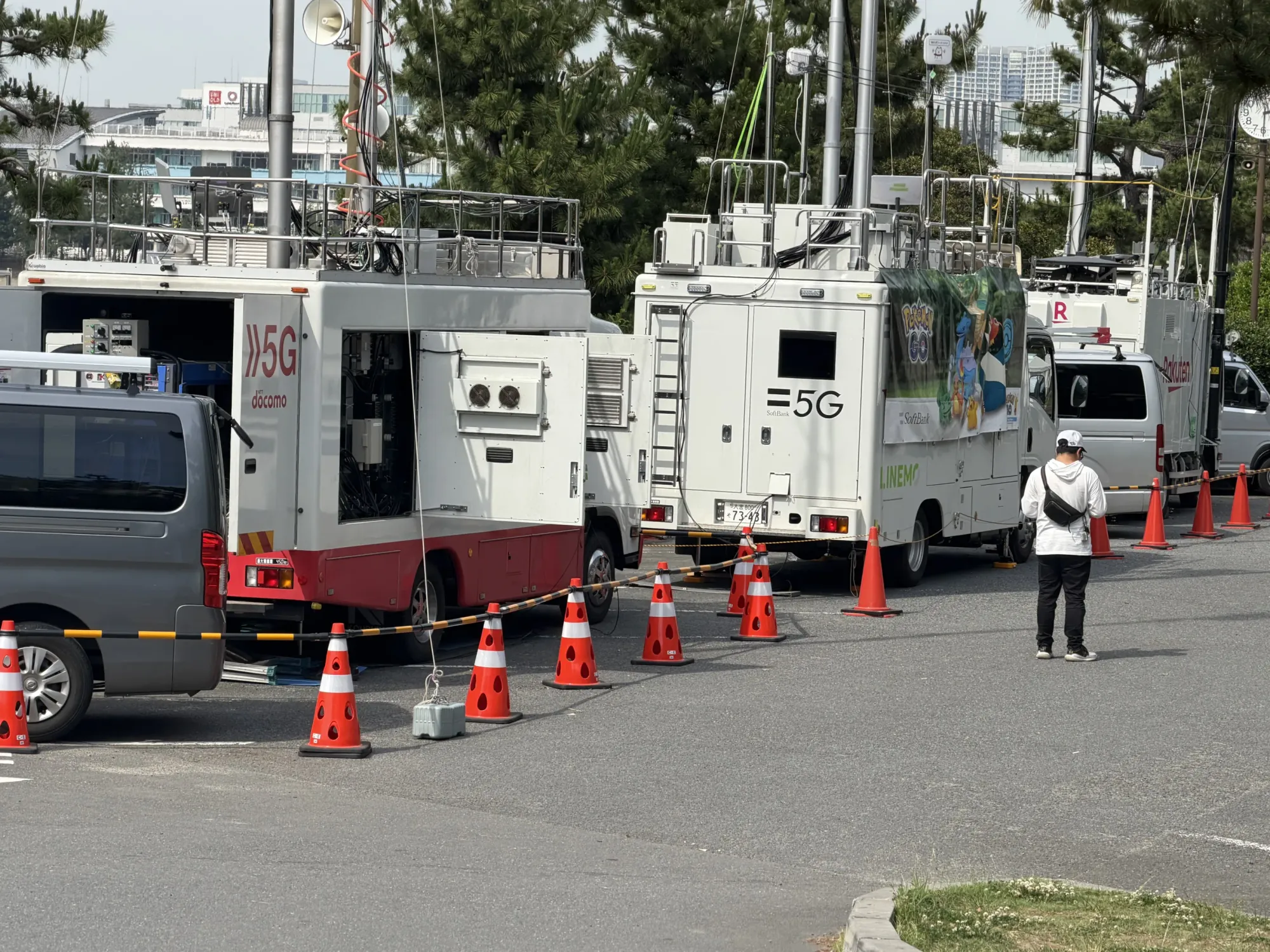
Unfortunately, it wasn’t all smooth sailing. Despite both of us sharing the same domestic Japanese network and the cavalcade of signal-boosting 5G trucks parked nearby, we ran into a series of network errors throughout the day, including the Unity Raid period itself. During the second attempt, one of our sessions kept timing out, with a frustrating "Network Error (2)" notification appearing repeatedly at the top of the screen.
Fortunately, the rewards during the event for the raids were guaranteed regardless of whether you were successful in catching them or not.
In terms of how many we could complete, within the 30-minute window allotted for the Unity Raids at the very end of our park session, we completed two raids before they went offline. As such we alternated, each securing a Mega Mewtwo X and Mega Mewtwo Y.
The timing seemed pretty tight: if you hesitated after the first raid instead of jumping in straight away, you could have missed the other Mewtwo variant entirely.
Also, despite the more personal nature of the new mechanic, you really didn’t get much of a chance to take in the scenario as it was happening. You could have a quick look around while you were holding your phone in the air, but there was little time to stop and take photos of what was happening or even lock eyes with a fellow raid member between tapping and arcing your phone - particularly as many event enjoyers ran to find cover from the heat as soon as they secured the goods.
The other slightly disappointing aspect that impacted Unity Raids was how tightly paced the day felt if you wanted to experience its highlights.