

Today, it's impossible to play the launch Pokémon Go experience and relive what those early days were like. This is partly because it's based on the real-world: though other live-service games or MMOs are also ever-changing, their ability to keep their original locations active as they release new expansions and maps allows you to take a trip down memory lane and reminisce if you fancy it.
Less so with Pokémon Go. But though the core experience has largely remained the same - you go outside to explore and catch creatures - the game around it has changed a lot over the decade, and not because of newly added Pokémon.
Whether you've been an active Pokémon Go player since day one, or haven't played since the summer of 2016, here's a look of what Pokémon Go was actually like to play in those opening weeks and months, what's changed since, and a reminder of how popular it really was.
What features were there in 2016?
Pokémon Go has expanded a lot over the decade, introducing the likes of raids, trading, and player-versus-player battles. Here's a look at what it launched with, and where things stand now:
- There were 145 Pokémon: all of Gen 1 (Kanto) minus Ditto, legendary birds Articuno, Zapdos and Moltres, and Mew and Mewtwo.
- Ditto, the first ever (official) addition, was introduced on 23rd November, with Gen 2 (Johto) not arriving until December through two main waves: baby Pokémon from hatching Eggs, and most of the generation as wild spawns in February 2017.
- Today, there are 951 Pokémon in the game out of a total of 1025, meaning 74 are not available yet.
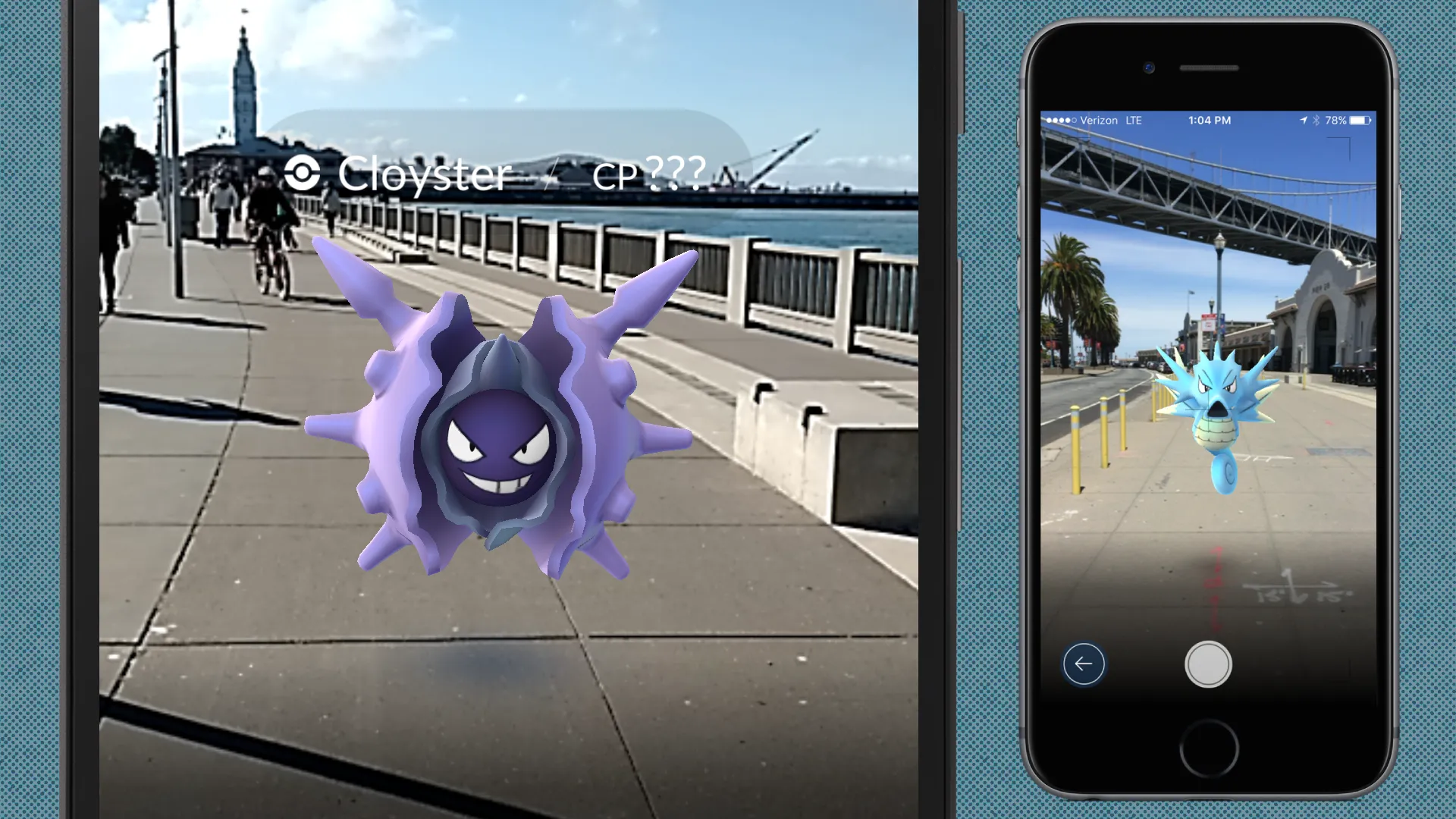
- That meant no Legendaries: the first, Lugia and Articuno, arrived just over a year later as part of the first Go Fest in Chicago.
- Though, technically, Articuno was prematurely handed out by Niantic support within a month of the game launching, and could count as the first new Pokémon added to the game - even if it was swiftly retracted.
- There were four regional Pokémon: Mr. Mime (Europe), Farfetch'd (East Asia), Kangaskhan (Australia), and Tauros (North America).
- Today, there are some 48 regional Pokémon and forms spanning entire hemispheres and specific countries.
- Pokémon Go wasn't nearly as feature rich. The first major new addition - Buddy Pokémon, allowing a creature to follow you around on the map - was introduced on 13th September.
- That means 2016 didn't have raids (added June 2017), shiny Pokémon (March 2017), weather (December 2017), Field Research or Special Research (March 2018), friends, gifting and trading (June 2018) or PvP Trainer Battles (December 2018) yet.
- It also meant in 2016, the map was barren by comparison: no raid eggs above Gyms, no Power Spots, or nearly as many PokéStops as today (community nominations were only in beta from September 2018).
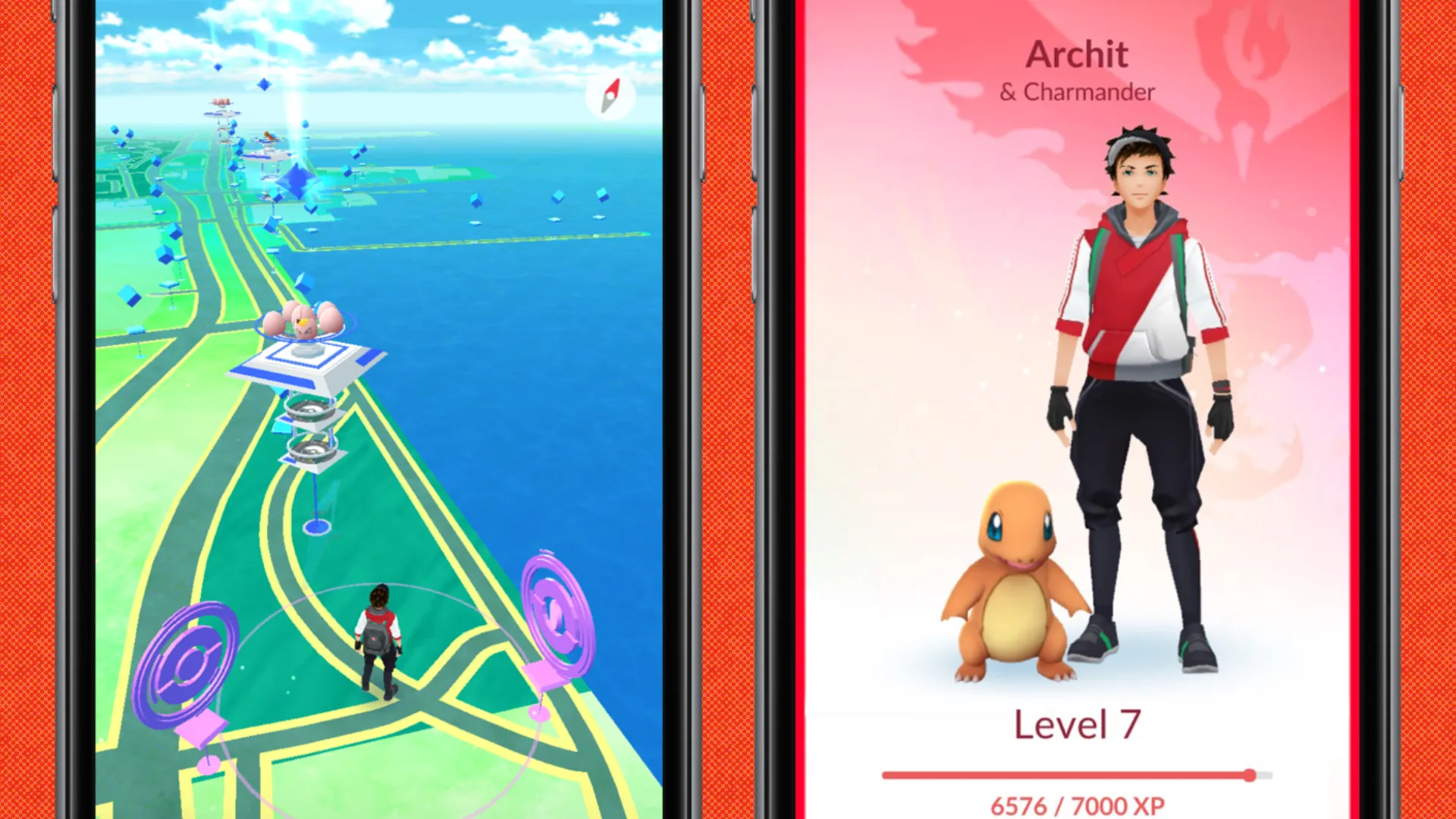
- The Trainer level cap was 40, which required 20 million total XP to reach.
- There's been two level increases since; to level 50 in November 2020, requiring 176 million total XP (a huge increase!) and to level 80 in October 2025, which requires 203 million total XP.
- The last two increases also require players to complete a series of additional challenges to rise through levels - meaning reaching the cap is about skill and a fair amount of grinding on top of XP gains.
- The first event wasn't until 26th October with Halloween, which highlighted spooky Pokémon like Gastly, Zubat, and Drowzee, and featured 2x Transfer, Catch and Hatch Candy bonuses.
- Today, it's hard to play the game without some kind of event active. For example. For example, this week's is 'Road of Legends', which sees the return of (almost) every single Legendary Pokémon to the game.
- There's also Go Passes (the game's take on battle passes), seasons, and most recently, weekly bonuses such as Friendship Friday as part of the 'Daily Discoveries' format.
- Extra fun fact: Community Day, a Pokémon Go staple, didn't arrive until January 2018 with Pikachu. (I'd have put money on it being earlier!)
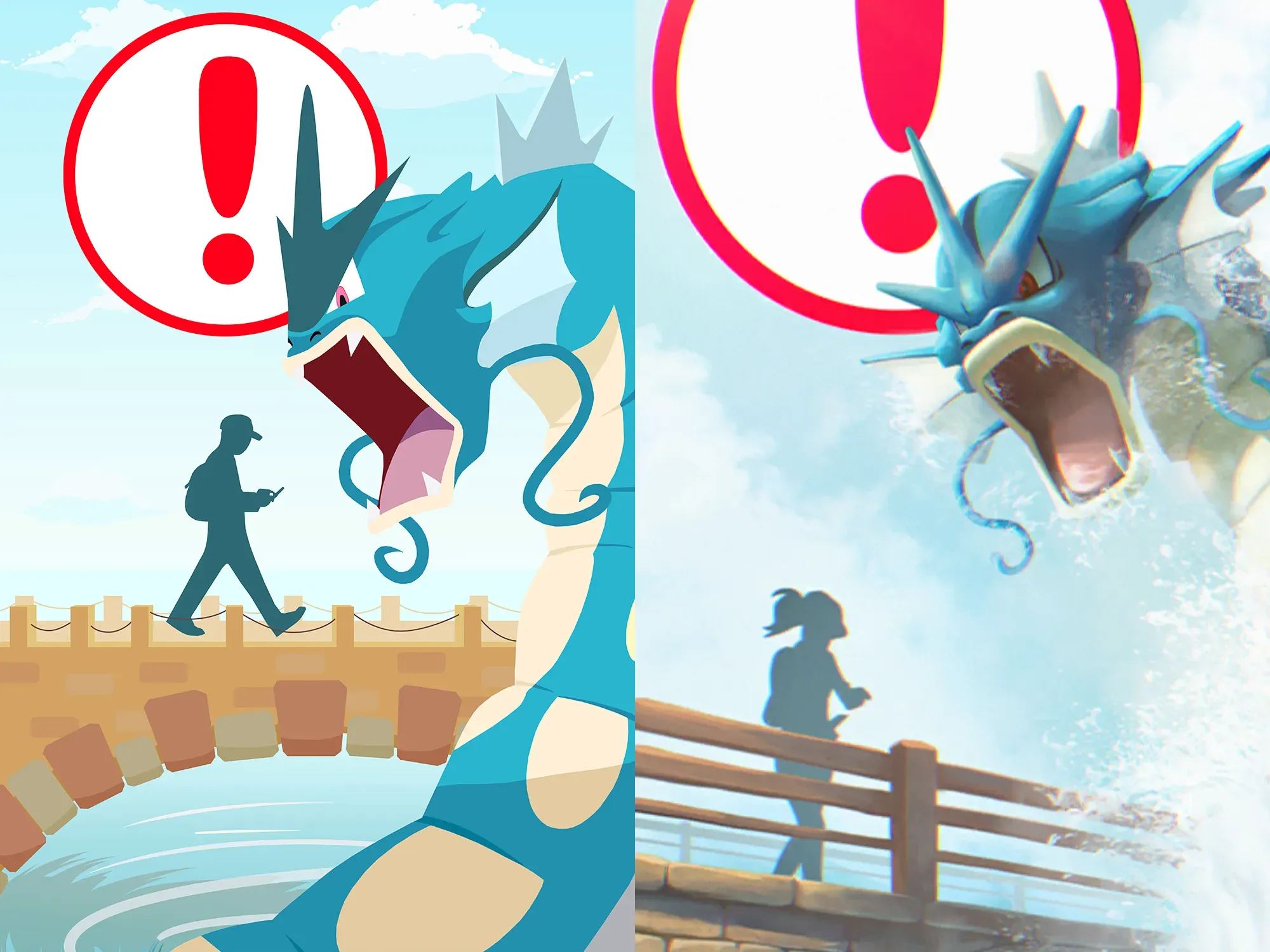
- The first new loading screen wasn't until October's Halloween event. Before then, it was an image of a Gyarados and a Pokémon Trainer unaware of their surroundings (their surroundings being said Gyarados).
- If you boot up the game right now, there's a homage to that original loading screen.
- There have been a total of 48 loading screens across the decade: Pokéos.com has a full gallery if you want to see how they looked over the years.
What was Pokémon Go like to play in 2016?
Not only were players waiting years for some of the game's biggest features, but what was there has seen some significant revisions.
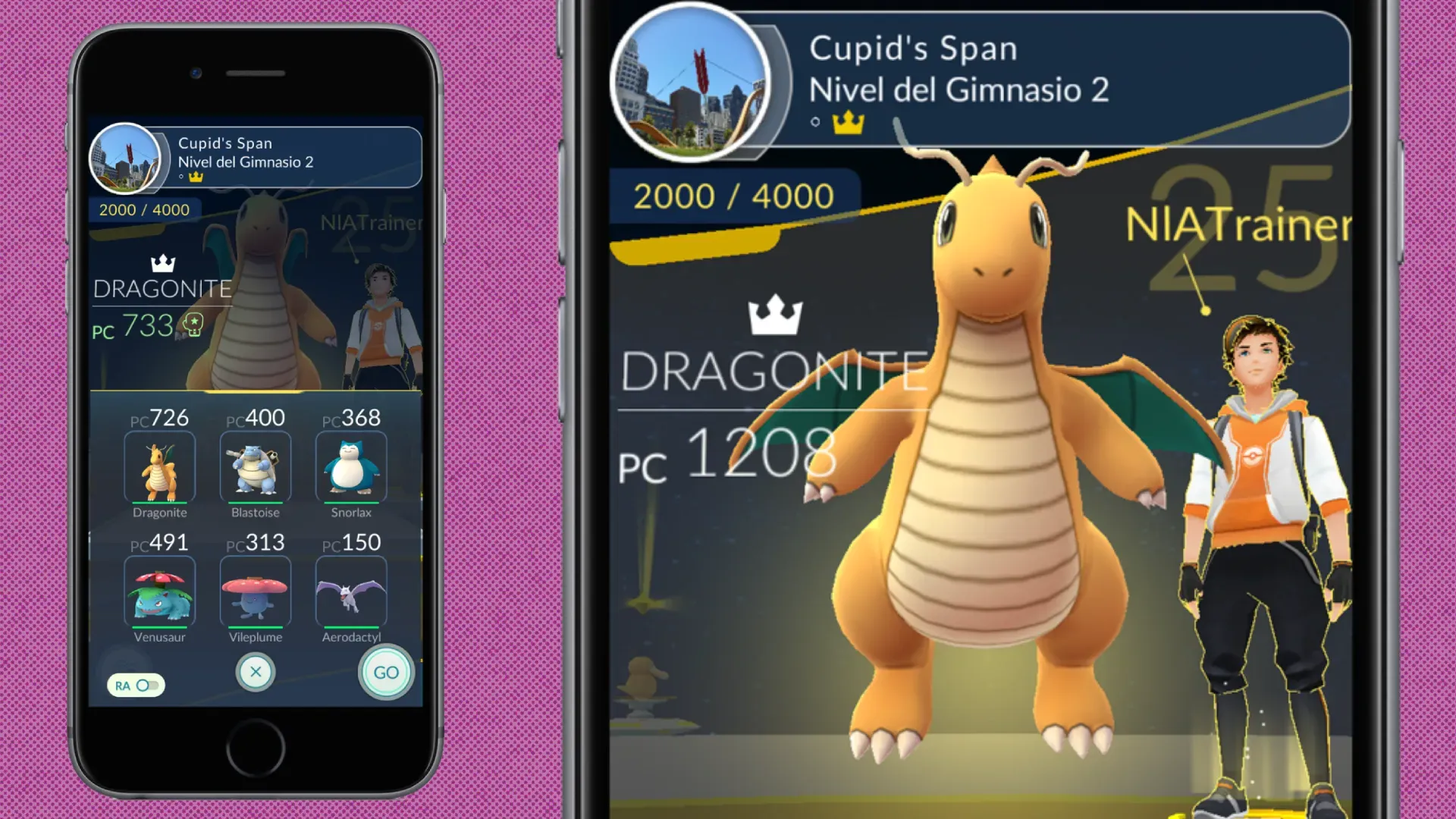
- Gyms, a cornerstone of Pokémon Go, operated very differently in the first year. Though it still had teams competing for territory, with players knocking Pokémon out of rival Gyms, you could 'train' your own Gym's Pokémon to raise a 'Prestige' level and keep them in for longer. You can see how Gyms in action with this video.
- Gyms also had a Defender bonus, which rewarded 500 Stardust and 10 PokéCoins every 21 hours for every Gym you held. This was up to 10 Gyms in total, meaning a total of 100 PokéCoins per day were up for grabs.
- This all changed with the arrival of raids in June 2017, which capped Gyms at six Pokémon each, stopped the use of duplicate Pokémon and ability to 'train' your own team's Pokémon, and added a 50 PokéCoins per day cap - all of which is still in place today.
- Locating Pokémon in the wild was far more rudimentary. The Nearby feature launched with a simple footstep system, allowing you to gauge how far away you were from a Pokémon, but rarely worked. It was removed in August (alongside third-party map services that were far more useful) to be replaced by a system where you could track Pokémon to the nearest PokéStop soon after - something which is more or less in place now.
- Today, there's also the ability to select a specific Pokémon from the Pokédex to be alerted when it's close by.
- It's also easy to forget wild spawns were the only way to encounter Pokémon back then: today, you can get personalised encounters from the Go Pass, Field Research, taking Snapshots, completing raids, and more.
- If you wanted to hatch Eggs, you had to keep your the game open while you walked. This wasn't remedied until November 2018's Adventure Sync feature, which could track your distance in the background. Using a Go Plus device, or the battery saver mode - which dimmed your screen while the phone was at your side - helped until then, but Adventure Sync was quietly transformative.
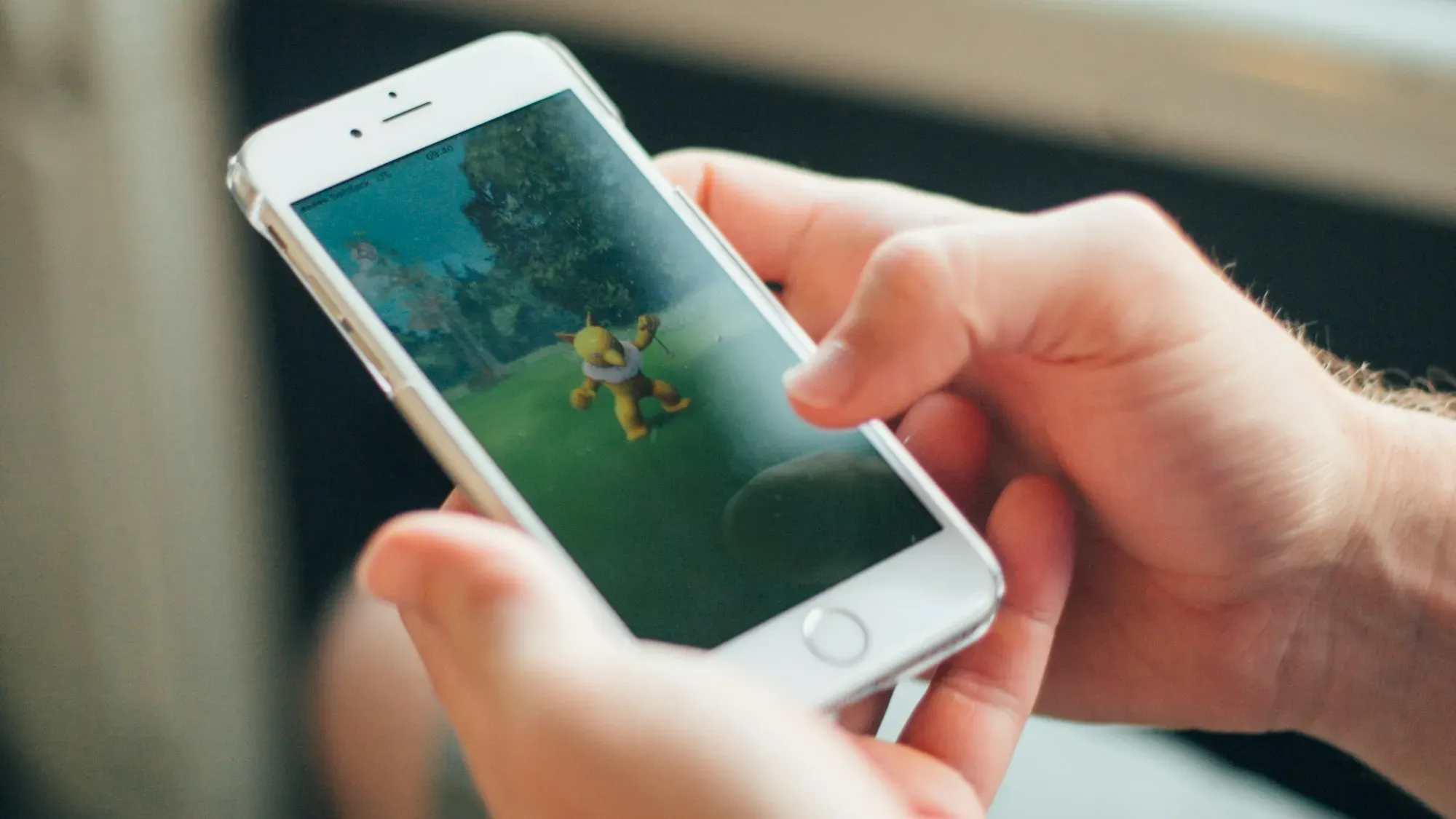
- And let's not forget the copious server issues and their error screens, the introduction of safety warnings to remind players of their surroundings - including a warning if you were going too fast as a prompt to not to play and drive - and an issue where the game mistakenly suggested full Google account permissions were given at launch.
Niantic was essentially fighting fires for most of the summer because of the game's popularity - which explains why the lack of meaningful new updates until the Autumn. But how popular actually was Pokémon Go?
How many people played Pokémon Go in 2016?
A lot, basically. Within a week of launch, The Guardian reported it had already exceeded Twitter's 65 million US users from the US, Australia and New Zealand launch alone - and that's before the rest of the world joined in.
A press release later confirmed Pokémon Go broke the App Store record for the most downloads in the first week of launch, and that by 7th September, it had reached 500 million app downloads.
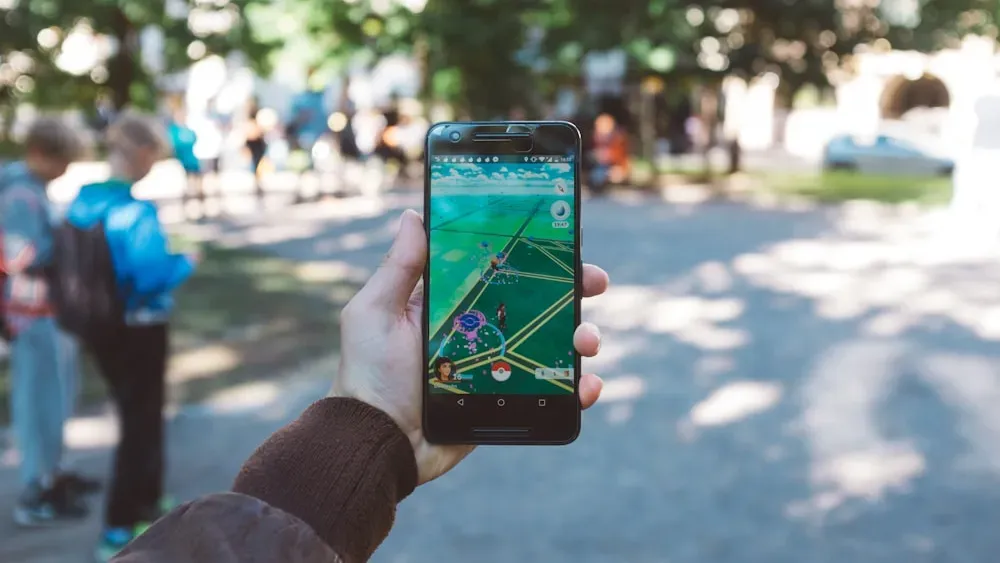
Even with fairly limited monetisation options back then, in July and August 2016, Pokémon Go generated approximately $126 million in in-app revenue per month. Today, it generates around $30m a month - though that figure doesn't include things like web shop spending, ad revenue, Apple and Google's 30% cut, or revenue from China's Android ecosystem. (Thanks to MobileGamer.biz and AppMagic for these figures.)
As for more recent years, it was revealed as part of the Scopely acquisition that Pokémon Go was played by over 100 million players in 2014. This is a sizeable drop on the face of it, but it's probably more illustrative of how big the game was in 2016 than anything else.
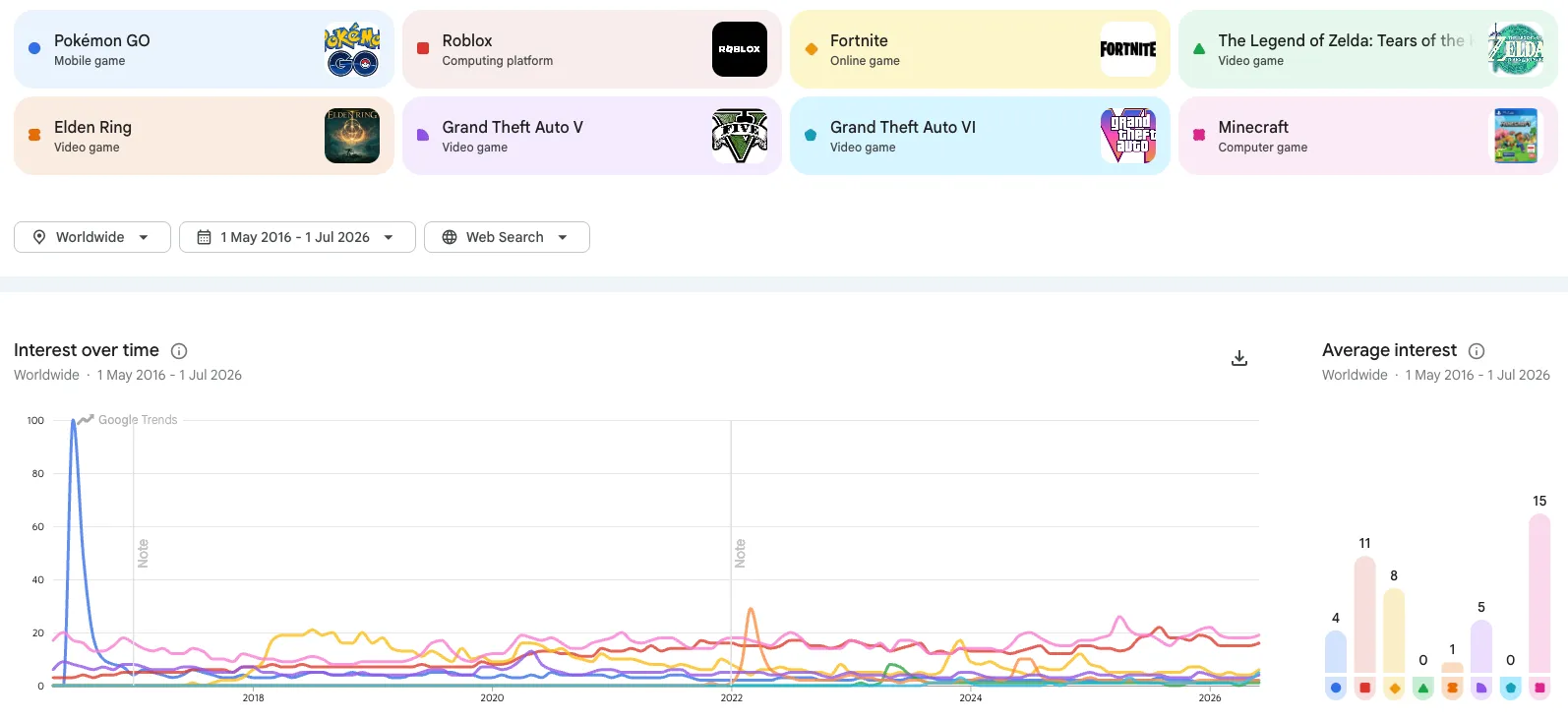
Pokémon Go's popularity is shown clearer when you compare searches with other popular games over the last decade, with Pokémon Go towering over everything else, if only for a moment. So while it's still played heavily today, as the revenue figures and the trends graph above shows, Pokémon Go's popularity in 2016 really was one of a kind.
Continue reading One More Catch's Pokémon Go 10th anniversary coverage with prominent writers and content creators sharing what the game means to them, and news of a site sale and new supporter features.

Sign up to the newsletter mailing list for a FREE guide to the week ahead in Pokémon Go - plus original reporting and features straight to your inbox.


